Raw Milk from Our Organically Fed Goats For Sale
The 2026 season is planned to end in November to give the girls a break before kidding season. They have already started decreasing in production, so we have less available now.
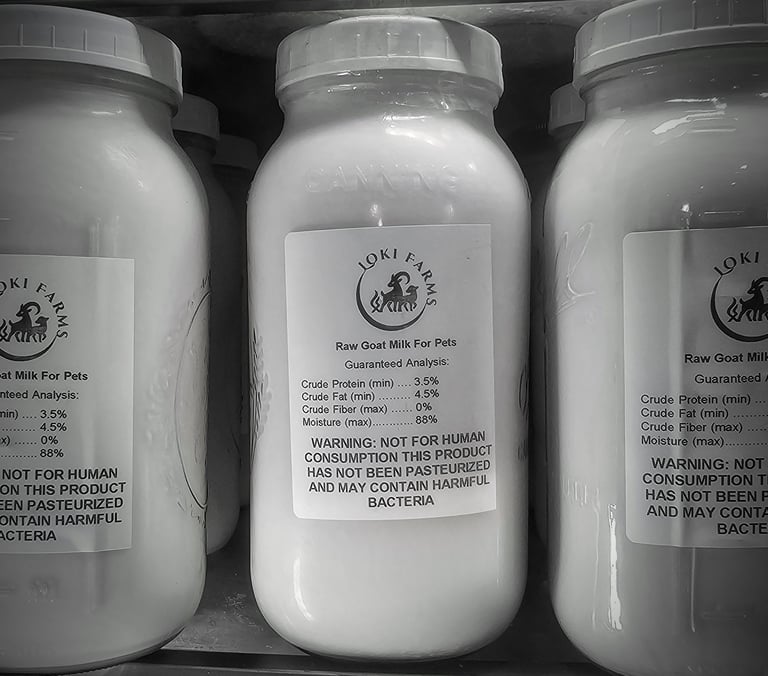
Fresh raw goat milk from our organically fed dairy goats. These ladies are doing great work making a bunch of wonderful milk. We are selling pet quality. We sell the milk in glass jars with a plastic or metal top. We offer this raw milk during season, typically from Jan/Feb through Oct/Nov. They typically will start to dry themselves off in the fall and they need a break before the next season starts anyways. So, there are a few months where it's not available. It does usually freeze well, and we used it frozen throughout the last two seasons.
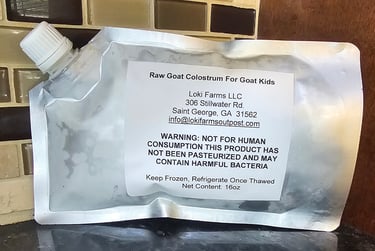
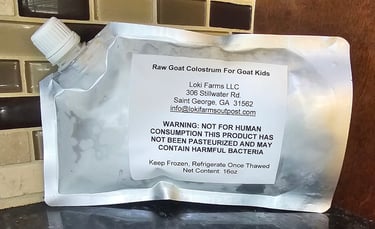
We also offer frozen colostrum from this year's kidding season. It is kept frozen in our deep freezer. 16 oz is usually enough to get one goat kid through the first 24 hrs if following a typical baby goat feeding chart by weight. Colostrum is collected the first 72 hours and frozen as soon as there's enough to do so after feeding our own goat kids. Limited supply of this years.
We have some news! If you've tried to pick up milk from us lately only to find that we've sold out, we see you! We're planning to implement a new system for reserving milk in Feb 2027 aimed at making sure both our regulars and once in a whilers get the milk they're looking for. More info here. I'll update this page when it's more concrete; a bit closer to the start of next season.
Ideal as a dietary supplement, tasty treat, or nutritious addition to a balanced diet.
Who Benefits from Raw Goat Milk?
Dogs and Cats: Supports digestion, promotes a shiny coat, and adds hydration to their diet.
Small Animals: A nourishing supplement for rabbits, guinea pigs, and other small pets.
Livestock: Suitable for kids, lambs, and other baby animals in need of supplemental milk. (we do test out herd annually.)
How to Use
Serving Suggestions:
Small pets: 2 oz per day.
Medium pets (20–40 lbs): 4 oz per day.
Larger pets: Adjust based on weight and dietary needs.
Storage: Keep refrigerated. For longer shelf life, milk can be frozen. (not in the jars, please.)
Local farm pickup or farmers market only for now.
*We last herd tested October 2025 and everyone is clear. See our Herd Health page for more info. Documentation can be provided upon request.
WARNING: NOT FOR HUMAN CONSUMPTION THIS PRODUCT HAS NOT BEEN PASTEURIZED AND MAY CONTAIN HARMFUL BACTERIA
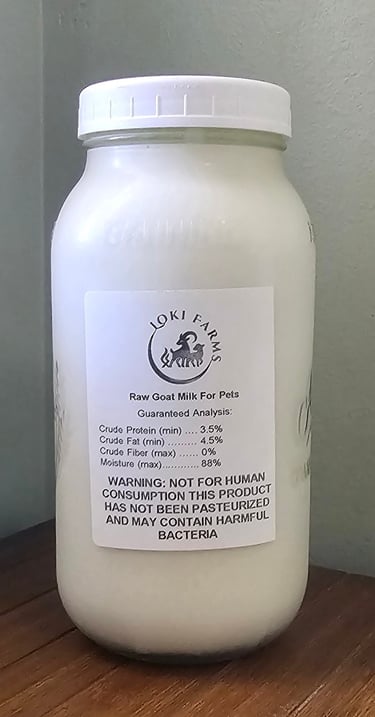
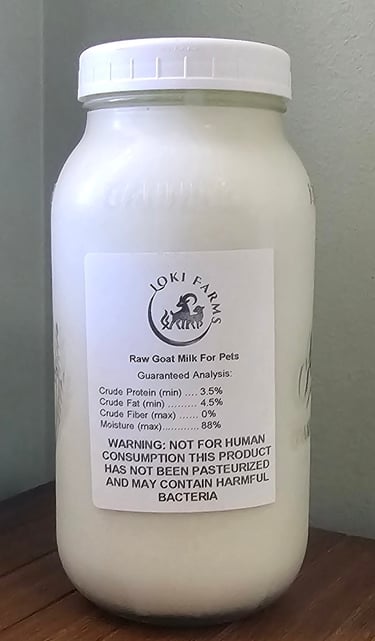
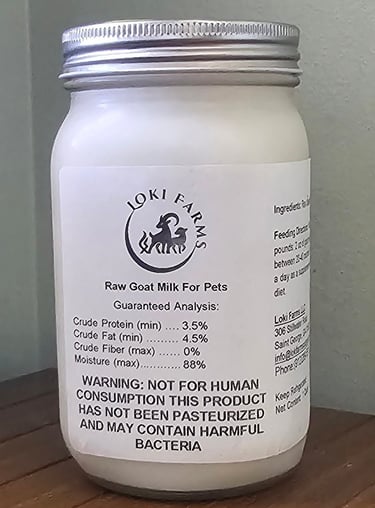
Half gallon raw goat milk for pets in glass jar.
$10, 2 dollars off when my jar comes back.
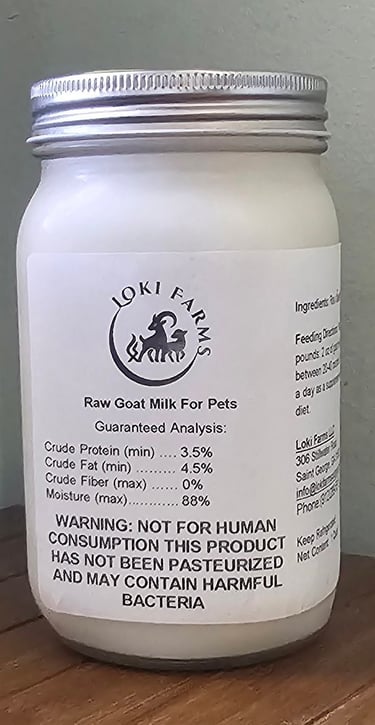
1 Quart raw goat milk for pets in glass jar.
$5, 1 dollar off when my jar comes back.
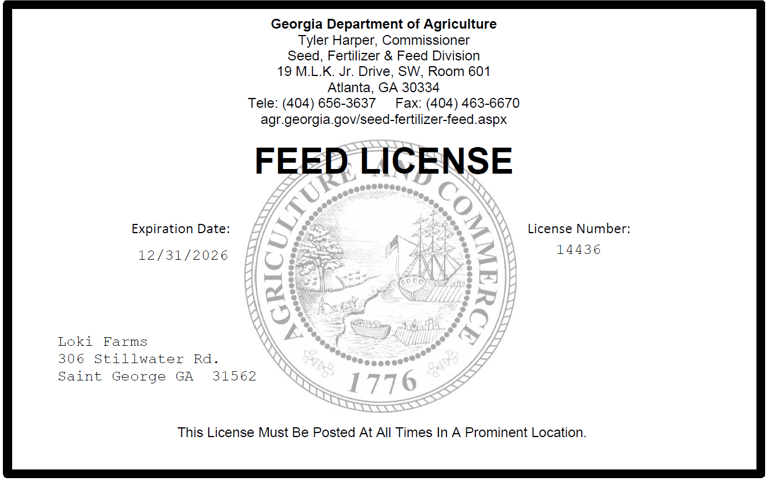
Please contact for availability and pick up. We cannot meet in Florida as we don't have a Florida license. Page last updated Sep 13, 2026.
16 oz Frozen Raw goat colostrum in double sided foil pack
Sold Out. Small amount available for emergencies only.
From our clean tested herd last tested October 2025. Colostrum collected within first 72 hours only. From last season, Jan/Feb 2025.
Not heat treated.
Milk Order Form
We will be milk testing for the 2027 season!
2027 will be our first year DHIR milk testing, so it's been an experience figuring out how to go about it and getting started. I intended to start this last year, but we didn't get everything together until halfway through the season. We've got everything now and plan to start next season off strong. On this page, I'll be posting a picture of the results as they come in.
We're doing this for a couple reasons. For one, we have 3 out of our 5 in milk right now that I am pretty sure can get milk stars for the amount they put out. Miss Daisy being number 1, putting out over a gallon a day and Tilly and Ruby putting out right around 3/4 of a gallon give or take per day as first fresheners.
And the other more important reason for milk testing is we'll be getting an analysis of the milk from each goat each month. It includes, first and foremost, the somatic cell count. If high, it would indicate someone likely has mastitis. In which case we'd pull from selling until tested clear. Also included are butterfat, fatty acids, protein, casein, lactose, total solids, milk urea nitrogen, and freezing point depression. All of which should give us a good idea of the milk quality.
Feed
We have switched to organic/clean feeds. The does in milk are getting locally grown unsprayed perennial peanut hay and Standlee organic alfalfa pellets mainly. They are also getting organic black oil sunflower seeds and oats sourced from Azure Standard as needed to support body condition throughout lactation and pregnancy and for the flushing protocol we're trying for the 2026 breeding season. We also bolus copper and cobalt as needed, along with free choice loose minerals as they utilize it quickly when in milk and any deficiency can change the quality. We use the Shepherds Choice brand goat specific mineral premix with the added vitamins that we mix into salt ourselves. They go through more of this mix than the Sweetlix brand we were previously using and they look better on it. They all have decent condition and very shiny coats right now.
We do mob graze areas as the weather allows. We aim for 2-3 days max or until the forage is around mid cannon bone, whichever comes first. This reduces the risk of parasite blooms as the parasite larva travel up, waiting to be ingested to continue the life cycle. We try to rest each area for over 3 weeks to allow time for the larva to die off.
We have not needed to use dewormer on the milking does since we've started. So, no concerns of wormers showing up in the milk. If we did need to deworm the milking does, we would follow guidelines for milk withdrawal and extend a few days past that. Everyone looks great and healthy, and the last fecal came back clear. We keep the hay up in nets, which can be controversial, but the holes are small and there's no horns in this herd. Keeping the hay up keeps them from ingesting the worm larvae and, thus, helps reduce the risk of a parasite bloom. They already naturally avoid eating things below their knees, so they do well with it up high and seem to prefer it. Keeping proper loose minerals for them helps keep their immune system kicking hard and helps keep parasites in check.
We do not use antibiotics unless absolutely necessary. If we do end up having to use them while a goat is in milk, we will be waiting the full vet recommended time for milk withdrawl time before offering that milk for sale again, or the doe will be dried off early for the season.
The vet came out August 2026. We did TB and Brucellosis testing on the new ones joining the herd this year. Everyone was negative as expected. We will be pulling blood near the end of October for the annual biosecurity testing on the whole herd and we'll be doing preg tests this year. The herd will be closed for several years after this with biosecurity protocols limiting outside contact.
We maintain our whole herd with a strong focus on health, cleanliness, and consistency. When milk quality has varied, we've worked to identify and correct the underlying causes, such as mineral imbalances, so production remains stable and reliable. All milk from Loki Farms is sold as pet feed in accordance with state regulations. We take pride in producing milk that is consistently clean, mild in character, and well-balanced when our herd's nutritional needs are met.
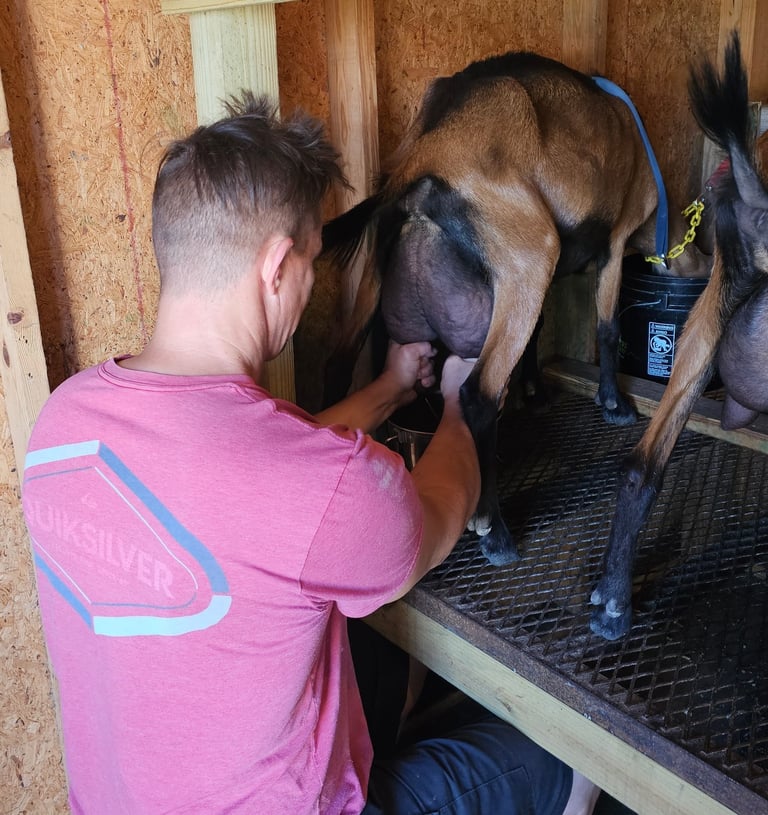
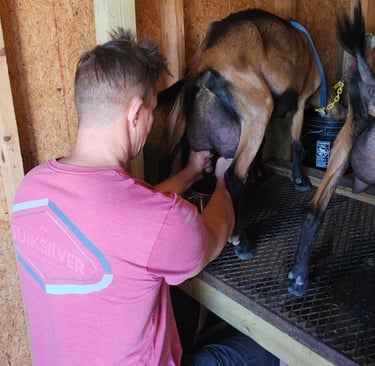
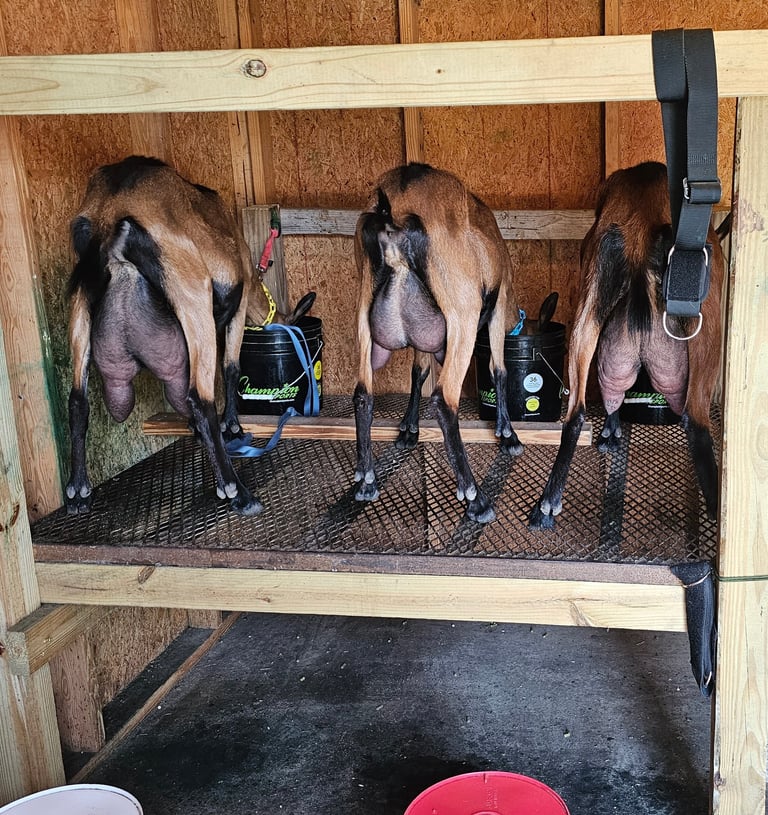
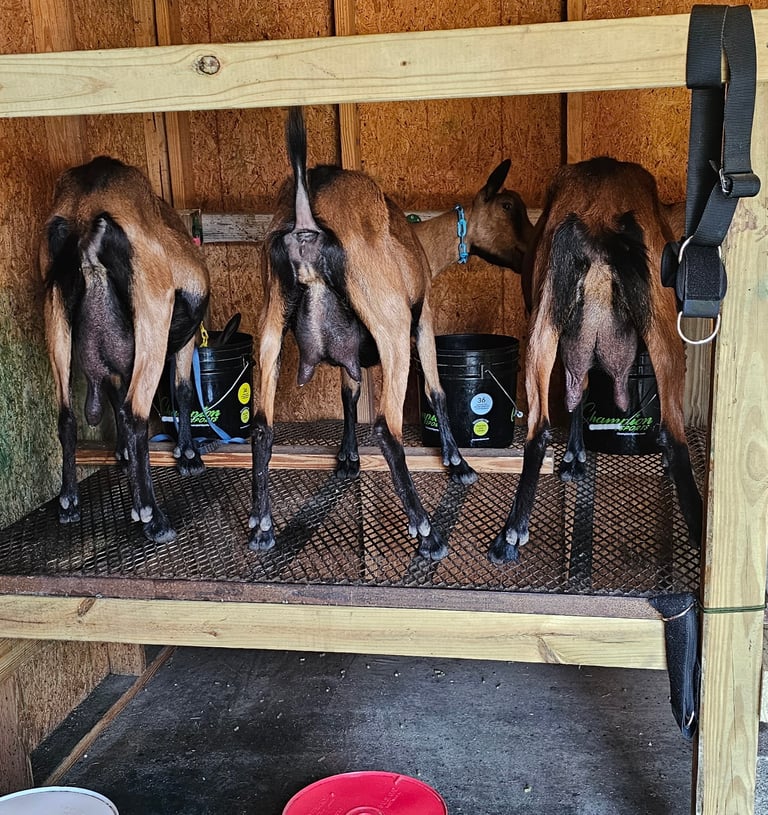
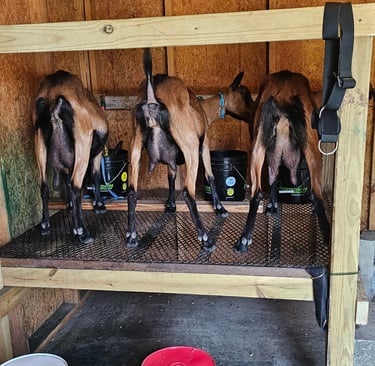
We milk by hand into a clean, sterilized stainless steel bucket. Teats and udder are sprayed with a chlorhexidine solution made just for dairy. The whole udder and belly is wiped after cleaning teats to remove dust, bedding, and loose hair. The goats' hair is kept trimmed on their udder and belly so we minimize dust, bedding, and hair sticking to it and falling in the bucket. After milking, their teats and udder are sprayed again to prevent bacteria from entering the teat orifice. The milk is brought in and run through a clean, sanitized stainless steel filter into clean, sanitized glass jars and put right in the fridge to cool. Buckets and filter are washed with hot water and detergent specific to cleaning milking equipment to prevent milkstone buildup and then heat sanitized. Every couple weeks or so we also run everything through an acid wash to remove any iron or calcium buildup. 2027 season, with the increase in goats being milked, there will be an increase in milk. A large quantity of fresh warm milk into a cold fridge can warm the whole fridge and all the cold milk stored in it. We will be ice bathing the jars of milk before placing in the dedicated fridge to keep the fridge temperature cool and stable.
Page last updated Sep 13, 2026.
Milk Information
info@lokifarmsoutpost.com
Call or Text:(912) 289-5515
© 2026. All rights reserved.
By appointment only
(Flexible, we have a front gate to open)
Proud Members of